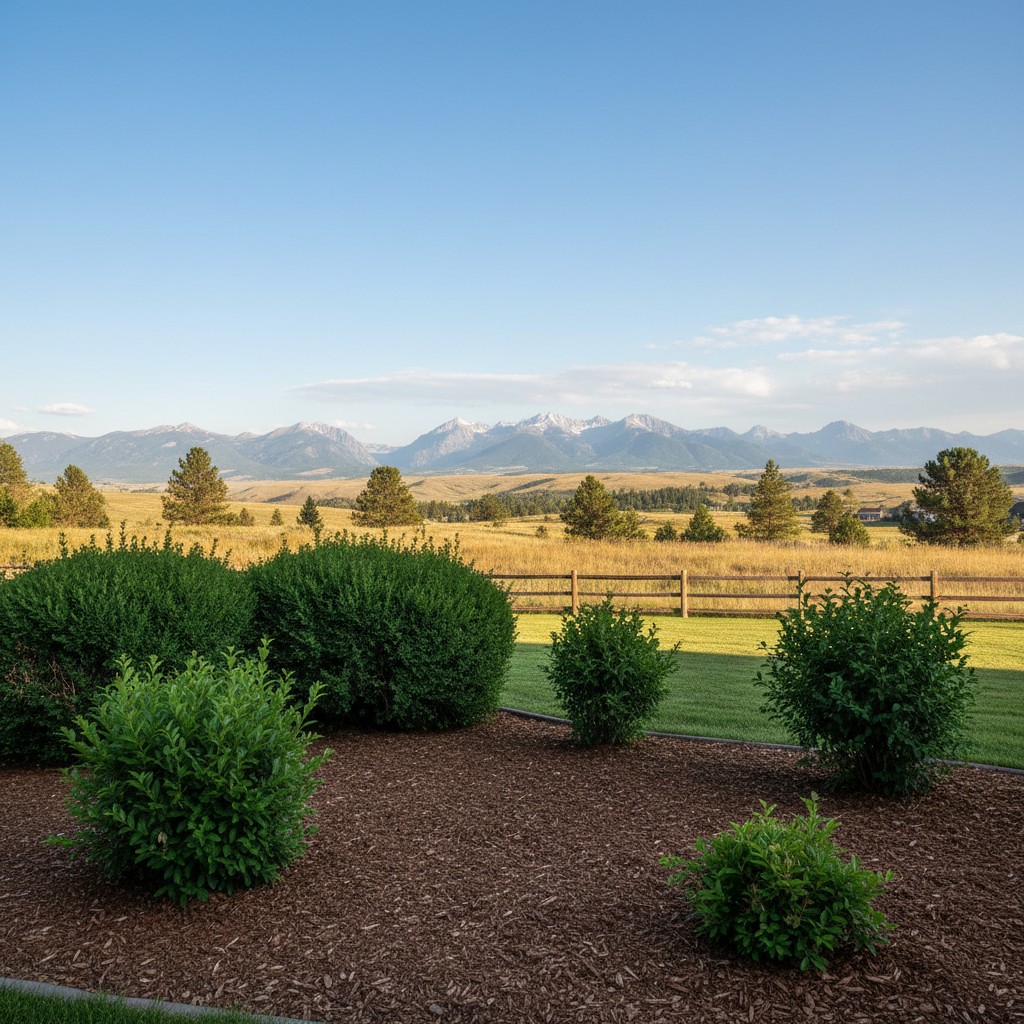
You've got some nice shrubs and bushes around your place, right? Maybe they frame your front door, line a walkway, or give you some privacy. Getting them trimmed properly is one thing, but keeping them looking good and healthy long-term, especially with our Bozeman weather, that's another story. Here's what I tell my clients about making that trimming work last and what you should be looking out for.
Extending the Life of Your Shrub Trimming
When we trim your shrubs, we're not just making them look neat. We're shaping them for health and future growth. To really get the most out of that work, you've got to think about a few things. First off, proper watering is huge. Even after a good trim, if your plants aren't getting enough water, especially during our dry spells in late summer or even during a warm, snowless winter, they're going to struggle. Deep, infrequent watering is usually better than shallow, frequent sprinkles. It encourages roots to grow deeper, making the plant more resilient.
Mulch is another big one. A good layer of wood chips or bark mulch around the base of your shrubs does a couple of things: it helps retain moisture in the soil, which is a lifesaver when it's hot and dry, and it suppresses weeds. Weeds compete for water and nutrients, and you don't want that. Just make sure you don't pile the mulch right up against the stems; leave a little breathing room.
Finally, don't forget about feeding them. Healthy plants are strong plants. A slow-release fertilizer applied at the right time (usually spring) can give them the nutrients they need to bounce back strong after a trim and handle whatever our Montana seasons throw at them.
Regular Maintenance: Your Ongoing To-Do List
Okay, so you've had them trimmed, and you're watering and mulching. What else should you be doing regularly? Honestly, it's mostly about observation and light touch-ups. You're looking for stray branches that pop out and mess up the shape. You can snip those off yourself with a good pair of hand pruners. Don't go crazy, just maintain the form.
Deadheading flowering shrubs is another common task. Once the flowers fade, snipping them off often encourages more blooms or redirects the plant's energy into stronger growth instead of seed production. For evergreens, you're mostly just keeping an eye on their shape and making sure they're not growing into structures or blocking pathways.
Keep an eye on the base of the plant too. Sometimes suckers will sprout up from the roots, especially on certain varieties. You want to cut those off as close to the ground as possible. They just steal energy from the main plant.
Warning Signs: When Something's Not Right
Your shrubs will tell you when they're not happy, you just have to know how to listen. Here are some red flags:
- Yellowing or drooping leaves: This often points to a watering issue – either too much or not enough. Feel the soil. Is it bone dry or waterlogged?
- Spots or unusual growths on leaves/stems: Could be a fungal disease or pests. Look closely. Are there tiny bugs, webs, or powdery mildew?
- Branches dying back: If whole sections of a shrub are turning brown and brittle, that's a serious sign. It could be disease, severe pest infestation, or root damage.
- Lack of new growth: If a shrub that should be growing isn't putting out new shoots, it might be stressed or lacking nutrients.
- Unusual leaf drop: Some shrubs shed leaves seasonally, but if it's happening at an odd time or excessively, something's off.
Especially with the harsh winters we get here in Bozeman, sometimes you'll see winter burn on evergreens – the needles turn brown or reddish-brown, often on the side exposed to the sun and wind. That's usually a moisture issue from the ground being frozen. It's not always fatal, but it's a sign of stress.
When to Call a Professional
You can handle a lot of the day-to-day stuff yourself, but there are definitely times when you need to bring in the pros. If you're dealing with a large, overgrown shrub that needs a major structural prune, don't try to tackle that with your hand pruners. You could damage the plant or hurt yourself.
If you suspect a serious disease or pest infestation that you can't identify or treat with basic methods, that's another time to call. We've seen a lot of different issues over the years, from spruce budworm to various blights, and we know what works and what doesn't. Sometimes it's about saving the plant, sometimes it's about preventing it from spreading to other plants in your yard.
Also, if your shrubs are near power lines, your house, or are getting so big they're a safety concern, that's definitely a job for experienced hands and proper equipment. We've got the tools and the know-how to do it safely and effectively. Here at Tree Service Pros of Bozeman, we're always happy to come out, take a look, and give you an honest opinion on what your shrubs need. Don't hesitate to reach out if you're unsure.